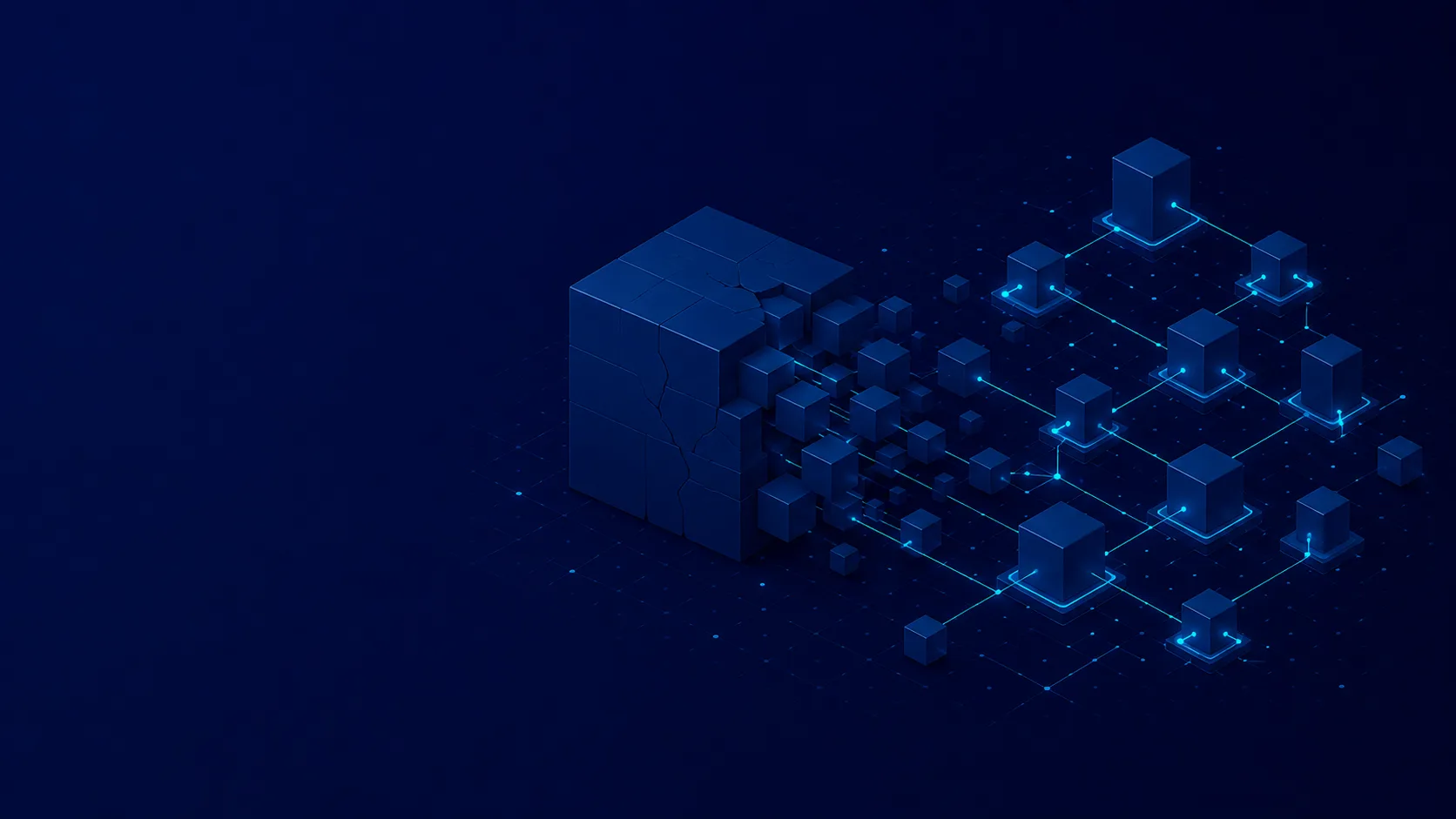
A cracked monolithic block breaking into orderly connected microservice cubes

Legacy Modernization

We replace old software your business depends on, step by step, without stopping your business.

A legacy system is one the business depends on but can no longer change safely: the people who understood it have left, it cannot be tested, every new feature takes months, hosting costs keep climbing, or it has become a security risk. RemSoft.Dev modernizes such systems in any stack. We use AI to read and document what the system actually does, put tests around today's behaviour before anything changes, and then replace it step by step while the business keeps running. A car-parts marketplace rebuilt on a new architecture used three times fewer resources; a payment platform lost its CPU, RAM and disk problems and its manual deployments on the way to Azure.

Services
RemSoft.Dev Team
RemSoft.Dev Team
Share:

Is your system legacy? The signs

  • Nobody left on the team fully understands how it works
  • Releases are manual, rare and frightening
  • New features take months because everything touches everything
  • Hosting costs grow faster than usage
  • The platform is out of support, or security fixes no longer arrive
  • You want AI or cloud features the current system cannot host

How we modernize

The same four steps, whatever the technology underneath.

  • 1. Understand AI agents read the code, database and deployment scripts and produce documentation of what the system actually does - the knowledge that left with the original developers.
  • 2. Secure Tests around today's behaviour and an automated release pipeline, so every later change can be verified and shipped safely.
  • 3. Replace in slices The target architecture is built beside the old system and takes over one piece at a time; each slice is verified before the next begins.
  • 4. Retire Data is migrated, the old parts are switched off, and your team receives a system it can change again.

What modernization has delivered

3×

resource optimization after a marketplace architecture rebuild

2 wks → 2 days

calculation time after automating a manual engineering process

0

manual production deployments left after a payment-platform DevOps rebuild

How do we keep the business running during the rebuild?

By never switching everything at once. Each piece of the old system is replaced and verified on its own, behind tests that describe what it did before. Paths we have completed include framework upgrades (.NET 4 to .NET 6 for a concierge platform), architecture rebuilds (an auto-parts marketplace on a third of the resources), CMS upgrades (Sitecore for a Nordic energy company) and infrastructure rescues (a payment platform moved from overloaded on-premise to Azure).

Case studies from our work

Want to Discuss a Similar Project?

Tell us about your project - we will propose an approach, a timeline and a first estimate.

An unhandled error has occurred. Reload 🗙